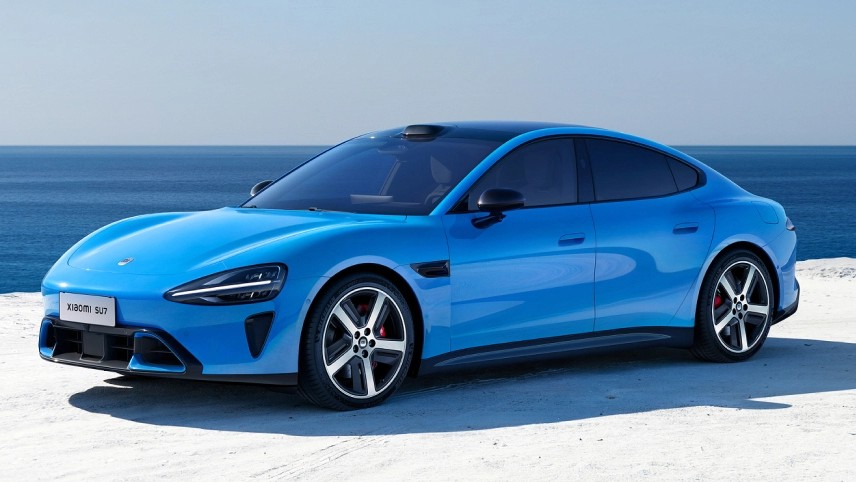
When most people hear the name Xiaomi, they probably think about smartphones, tablets, earbuds, smart TVs and other consumer technology. But Xiaomi wants the world to think bigger. The Chinese technology company has entered the electric-vehicle business with the Xiaomi SU7, a high-performance electric sedan that combines automotive engineering with the technology ecosystem Xiaomi has spent more than a decade building.
For AMPS Magazine, the obvious question is: Why is a phone company making cars? The answer is that Xiaomi does not see the automobile as a separate product. The company describes its strategy as “Human × Car × Home,” connecting smartphones, smart-home products, artificial intelligence and vehicles into one ecosystem. Xiaomi announced its smart-EV strategy in 2021 and committed to investing $10 billion over the following decade.
The original SU7 arrived in March 2024 and immediately attracted attention because it looked and performed like a serious luxury-performance sedan while carrying a price designed to challenge established EV competitors. The first-generation SU7 featured a sleek aerodynamic body with a claimed drag coefficient of just 0.195, multiple exterior colors, a technology-focused cabin and Xiaomi's HyperOS software. Its SU7 Max used dual motors and all-wheel drive, producing 673 horsepower, accelerating from 0–100 km/h in 2.78 seconds and offering a claimed CLTC range of up to 800 kilometers.
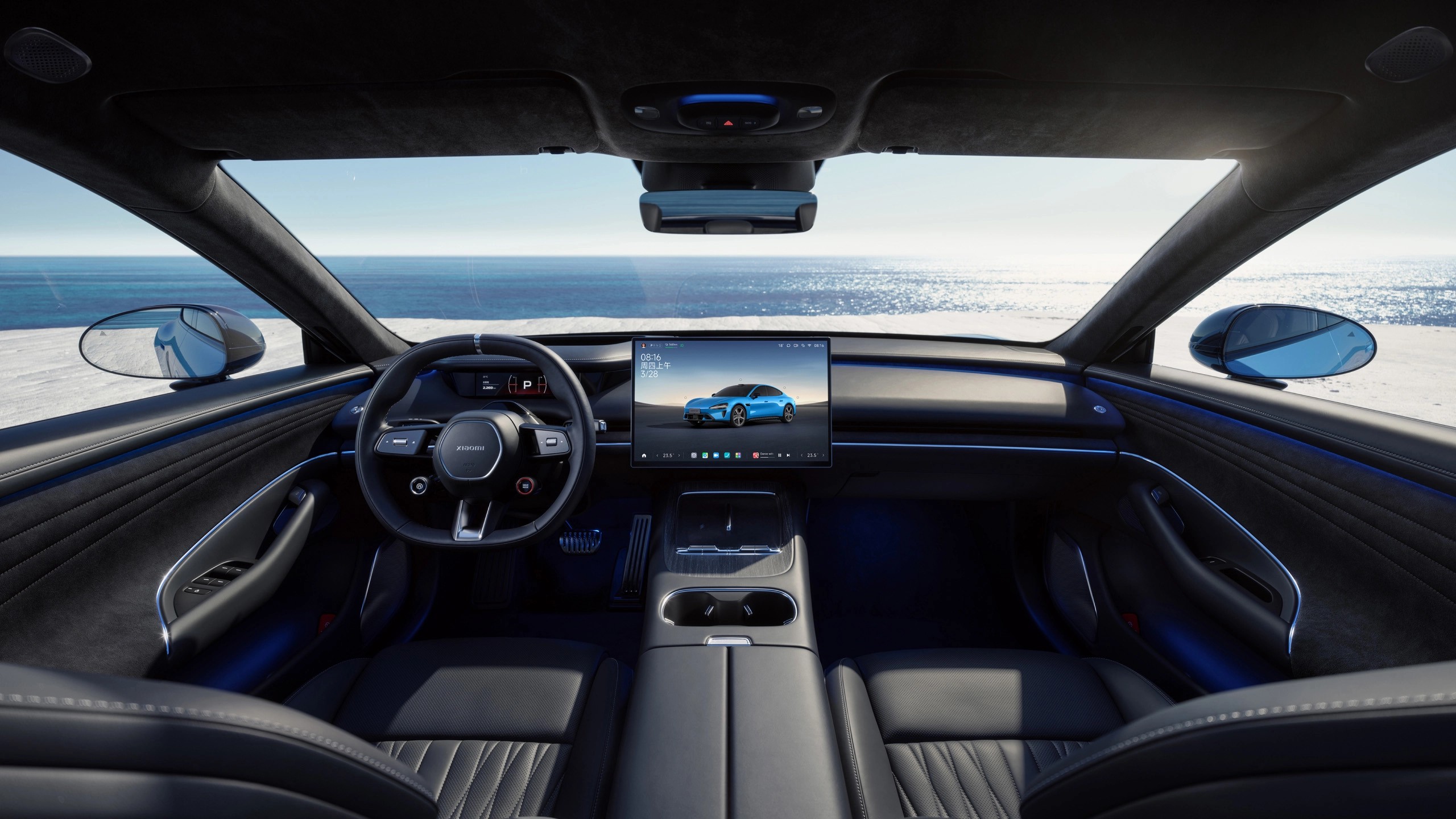
Inside, the SU7 is much more than a traditional automobile. The cabin features a large 16.1-inch 3K central touchscreen, a 56-inch head-up display and connectivity designed to bring Xiaomi's smart-home ecosystem into the vehicle. The company says the vehicle can connect with more than 1,000 Xiaomi smart-home devices. Apple CarPlay, tablets and additional accessories can also be integrated into the cabin.
Performance is another major part of the SU7 story. Xiaomi developed its own electric-drive technology and has invested heavily in motors, batteries, vehicle architecture, smart cabins and assisted driving. The company also offers Xiaomi Pilot technology, with different versions using sophisticated camera and computing hardware for driver assistance.
And then there is the price. The original SU7 launched in China from ¥215,900, with Pro and Max versions priced at ¥245,900 and ¥299,900. In March 2026, Xiaomi introduced a new-generation SU7, starting at ¥219,900, with the Pro at ¥249,900 and Max at ¥303,900. The new-generation models offer claimed CLTC ranges of up to 720 km for the Standard, 902 km for the Pro and 835 km for the Max.
So how can Xiaomi compete on price? One important factor is that Xiaomi already operates at enormous scale across consumer electronics, software, supply chains and smart manufacturing. Its Beijing EV factory uses highly automated production, with Xiaomi reporting 100% automation for key body-shop processes and an overall automation rate of 91%.
That does not necessarily mean Xiaomi's vehicles are simply “better” than every American EV. Cars must be judged on many factors, including reliability, safety, charging infrastructure, service, software, range standards and availability. What Xiaomi has demonstrated is that a technology company can enter the automobile industry with an aggressive combination of performance, software integration, manufacturing technology and price.
By August 2026, Xiaomi reported that the SU7 series had delivered more than 500,000 vehicles, a remarkable milestone for a nameplate launched only a few years earlier.
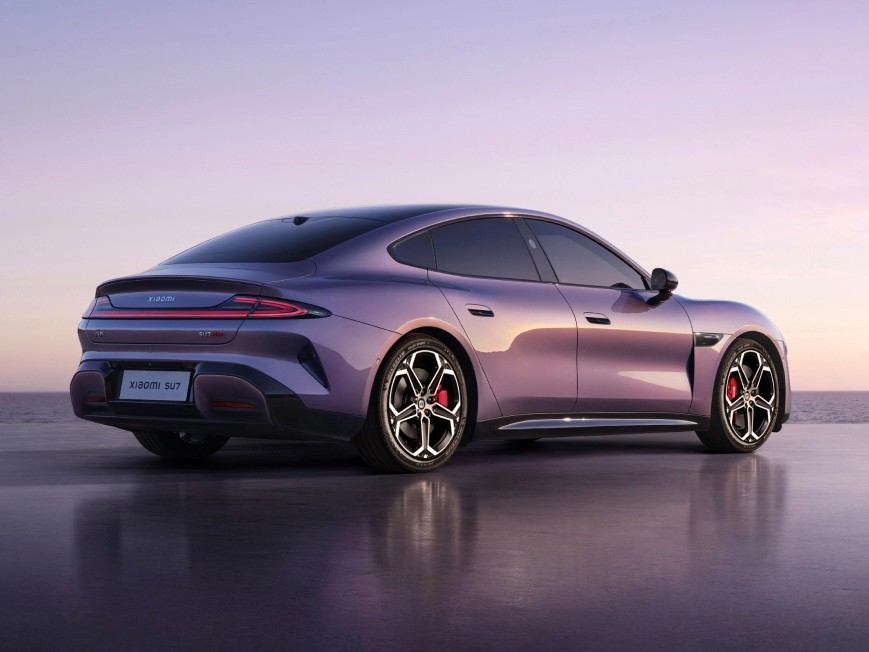
The bigger story may be what comes next. Xiaomi is no longer simply a phone company experimenting with cars. It is building an automotive business around the same philosophy that helped establish its technology empire: put advanced technology into products people want, connect those products together and make the value proposition difficult to ignore. For AMPS Magazine, the Xiaomi SU7 is a fascinating example of how quickly the automobile industry is changing—and a reminder that tomorrow's car companies may not look anything like yesterday's.