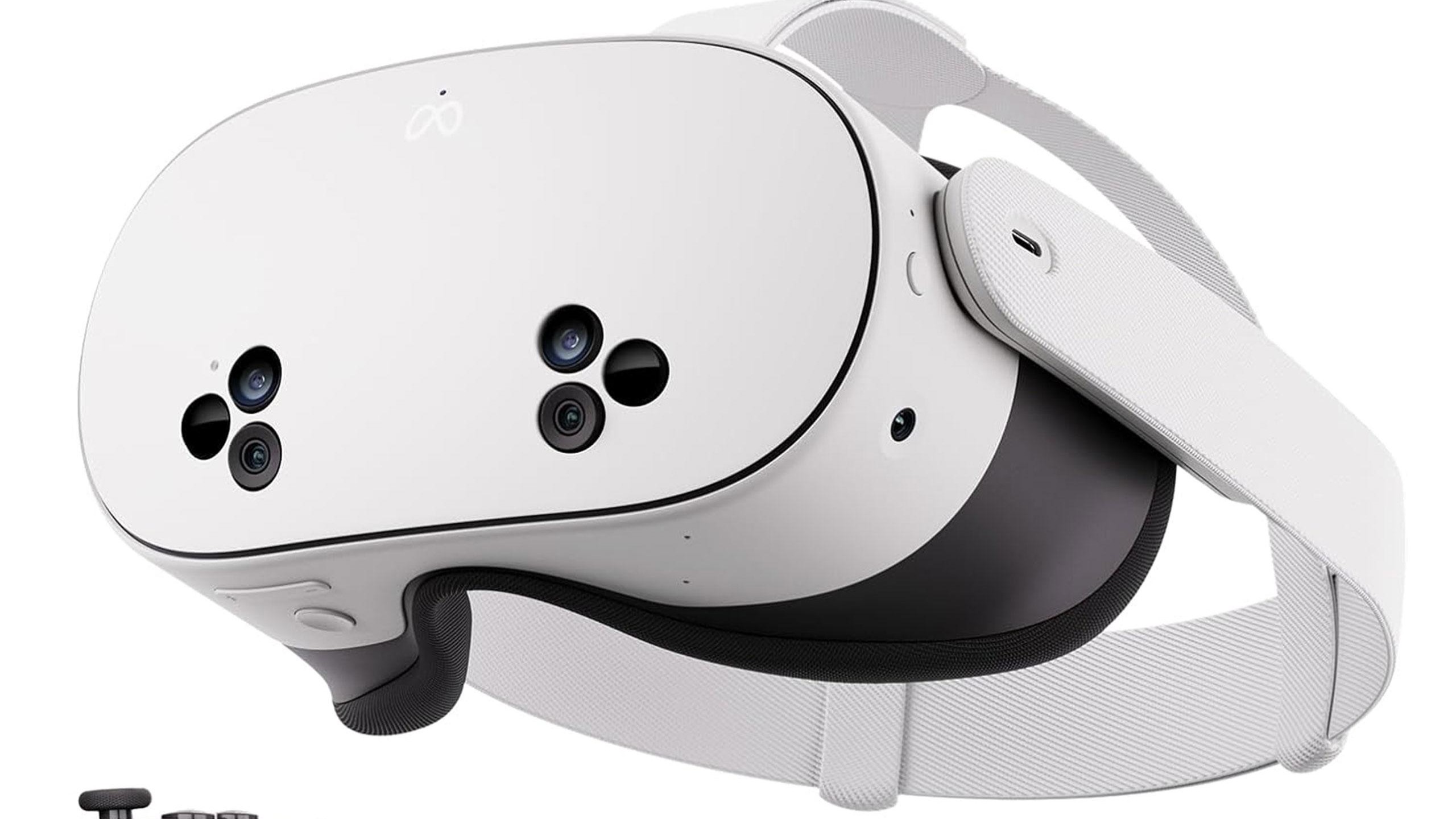
Virtual reality has moved far beyond being a futuristic idea we saw in movies. Today, VR headsets can put you inside a video game, turn your living room into a workout studio, give you a giant personal movie screen, or even blend digital objects into the real world. But with so many brands and price points available, choosing the right VR headset can be confusing. From AMPS Magazine's point of view, the key is not simply asking, "Which VR headset is the best?" The better question is, "Which VR headset is best for what I want to do?"
One of the biggest names in the market is Meta, with its Quest family. The Meta Quest 3S is designed as an affordable entry point, while the Meta Quest 3 moves into a higher-performance category. Both can operate without a gaming console or computer, which is a major advantage for someone who wants to open the box and start experiencing VR. The Quest 3 adds sharper pancake lenses, higher display resolution and stronger mixed-reality capabilities. Current 2026 guides continue to identify the Quest 3S as a value-oriented choice and the Quest 3 as a flexible all-around option.
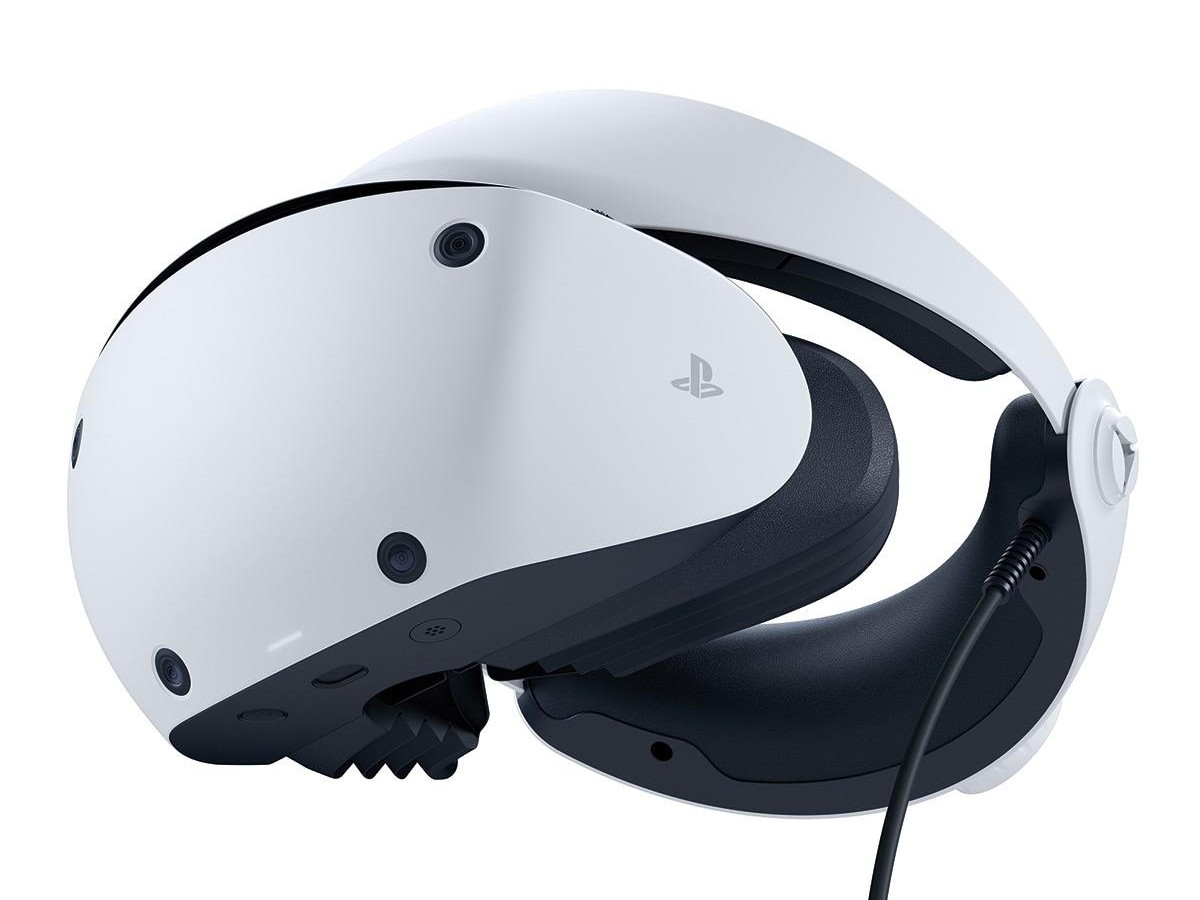
Then there is Sony's PlayStation VR2, which takes a different approach. If you already own a PlayStation 5 and want VR gaming, PSVR2 is built around that ecosystem. It uses OLED displays, HDR visuals, eye tracking and PlayStation VR2 Sense controllers to create a gaming-focused experience. Unlike the Quest headsets, it is not a standalone system, so your PS5 becomes an important part of the purchase. It can also be connected to a PC with Sony's PC adapter, expanding its potential beyond the PlayStation ecosystem.
For people looking beyond traditional gaming, Apple Vision Pro represents another category. Apple approaches the product as a spatial computer rather than simply a gaming headset. Its focus is on high-resolution displays, eye and hand tracking, virtual screens, entertainment and productivity. The major difference is price: it occupies a premium category that is dramatically more expensive than mainstream Quest or PlayStation options. That means buyers need to be especially clear about whether its specialized capabilities justify the investment for their needs.
HTC VIVE also remains an important name, particularly for serious PC VR users, mixed reality and professional applications. The VIVE Focus Vision combines standalone operation with PC VR capabilities and includes features such as eye tracking and high-resolution displays. It is aimed more toward enthusiasts and specialized users than someone simply looking for an inexpensive introduction to VR.
So how do you choose? AMPS Magazine says start with three questions: What is your budget? What equipment do you already own? And what do you want to do with VR? A first-time user who wants gaming, fitness and entertainment without additional equipment should look closely at the Quest family. A PS5 owner interested primarily in gaming should consider PSVR2. A professional or technology enthusiast interested in spatial computing may have different priorities and should examine premium devices such as Vision Pro or VIVE.
The exciting part is that there is no longer just one definition of virtual reality. There are affordable headsets for beginners, powerful systems for gamers and premium devices for people who want to explore the future of computing. The right choice comes down to matching the technology to your lifestyle—not simply buying the headset with the biggest price tag.