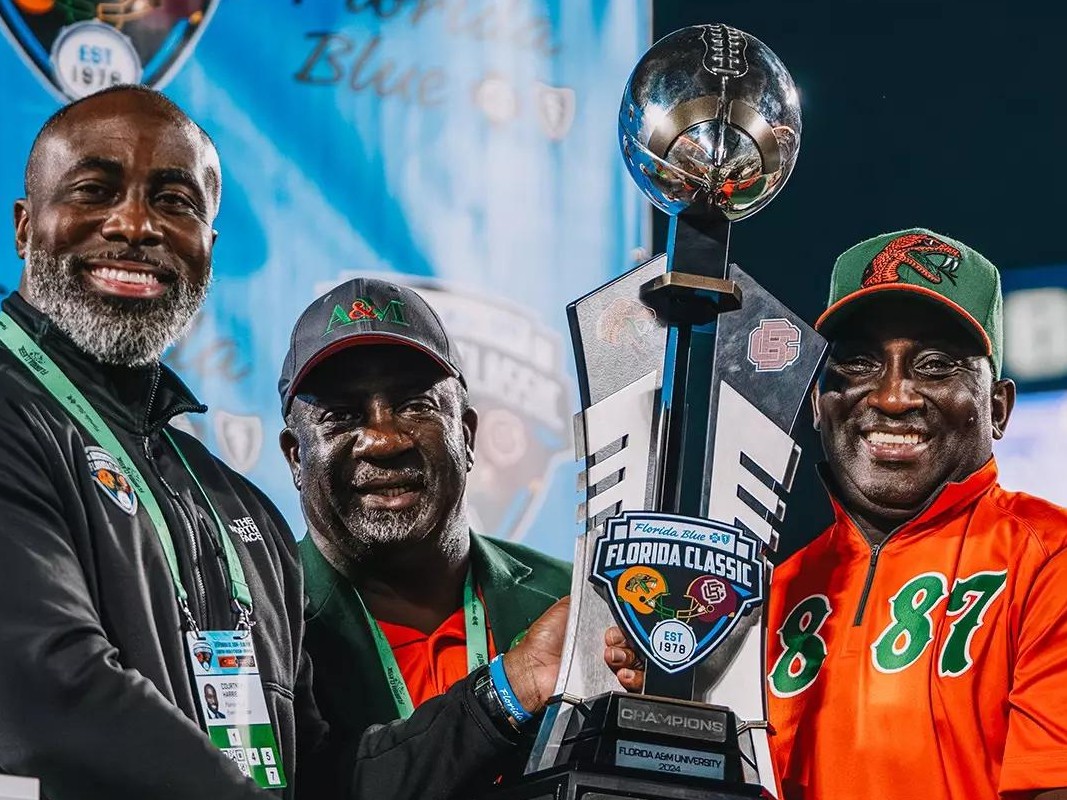
The Florida Classic once again gave the state of Florida a reason to celebrate its rich Historically Black College and University (HBCU) tradition. On Saturday, November 21, 2026, thousands of alumni, students, families, football fans and supporters gathered at Camping World Stadium in Orlando for one of the most anticipated HBCU football rivalries in the country. When the final whistle sounded, Florida A&M University (FAMU) had reclaimed bragging rights with a convincing 27–14 victory over its longtime rival, Bethune-Cookman University. With an announced attendance of 51,345, the 2026 Florida Classic demonstrated that this annual tradition is much bigger than the final score. It is a celebration of history, education, culture, economic opportunity and the continued importance of HBCUs.
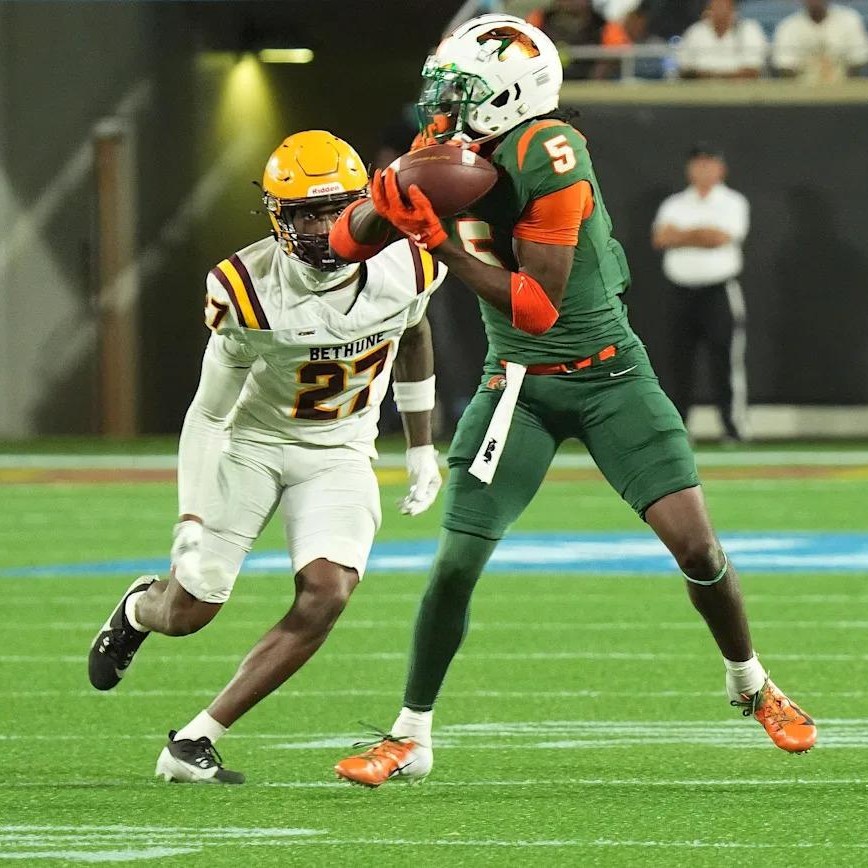
For FAMU, the victory was especially meaningful. The Rattlers entered the game looking to finish a challenging season on a positive note after Bethune-Cookman captured last year's matchup. FAMU answered the challenge by establishing control early, taking a 13–0 halftime advantage and extending its lead to 20–0 in the third quarter. The Rattlers' defense played a major role, forcing five turnovers, including four fumbles and an interception. Freshman quarterback Armond Parker delivered an impressive performance, earning Florida Classic Most Valuable Player honors. Parker accounted for 127 passing yards, 105 rushing yards and two total touchdowns. Linebacker Denzel Johnson led the defensive effort with 16 tackles. Although Bethune-Cookman attempted a fourth-quarter comeback, FAMU maintained control and secured the 27–14 victory.
But why is this game so important? The Florida Classic represents generations of Black excellence, determination and educational achievement. These two institutions have histories that extend far beyond football. Florida A&M and Bethune-Cookman have helped educate generations of leaders, educators, entrepreneurs, public servants and professionals who have made significant contributions throughout Florida and the nation. Their rivalry brings those legacies together in one place, giving alumni an opportunity to reconnect while introducing younger generations to the traditions and accomplishments of HBCU institutions.
For today's college students, the Florida Classic provides something that cannot always be measured in wins and losses. It creates exposure, networking opportunities, school pride and a sense of belonging. Students experience the excitement of seeing their universities represented on a major stage while connecting with alumni, business leaders, potential employers and community organizations. The surrounding events, marching bands, Greek organizations, tailgating and entertainment also showcase the cultural experience that makes attending an HBCU unique. For many students, it is an opportunity to understand that they are part of something much larger than their individual college experience.
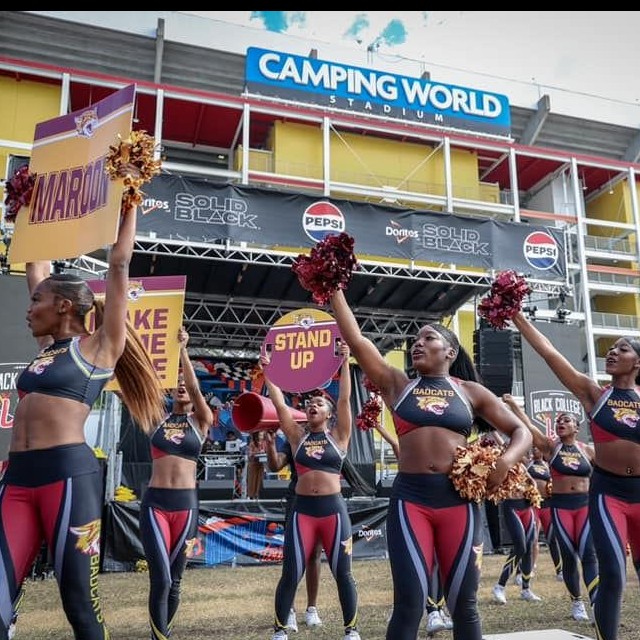
The economic importance of the Florida Classic should not be overlooked either. Orlando and the state of Florida benefit from visitors who travel from across the country, filling hotels, restaurants, entertainment venues and local businesses. The game creates opportunities for vendors, sponsors, transportation companies and hospitality workers. It also places Florida's HBCU culture in front of a national audience, reinforcing the state's connection to two historic educational institutions.
From the state's perspective, the Florida Classic is an important cultural and economic event. It demonstrates the influence of HBCUs, the purchasing power of their alumni and supporters, and the value of investing in educational institutions that continue to serve communities throughout Florida. It is also a reminder that HBCUs deserve recognition, support and opportunities beyond the football field.
As FAMU celebrates its 27–14 victory and reclaims the rivalry trophy, both universities can take pride in what the Florida Classic represents. The scoreboard may determine the winner for one year, but the legacy belongs to both institutions. The Florida Classic is more than a rivalry. It is a gathering of generations, a showcase of Black culture and a powerful reminder that HBCUs remain essential to America's educational, cultural and economic future.