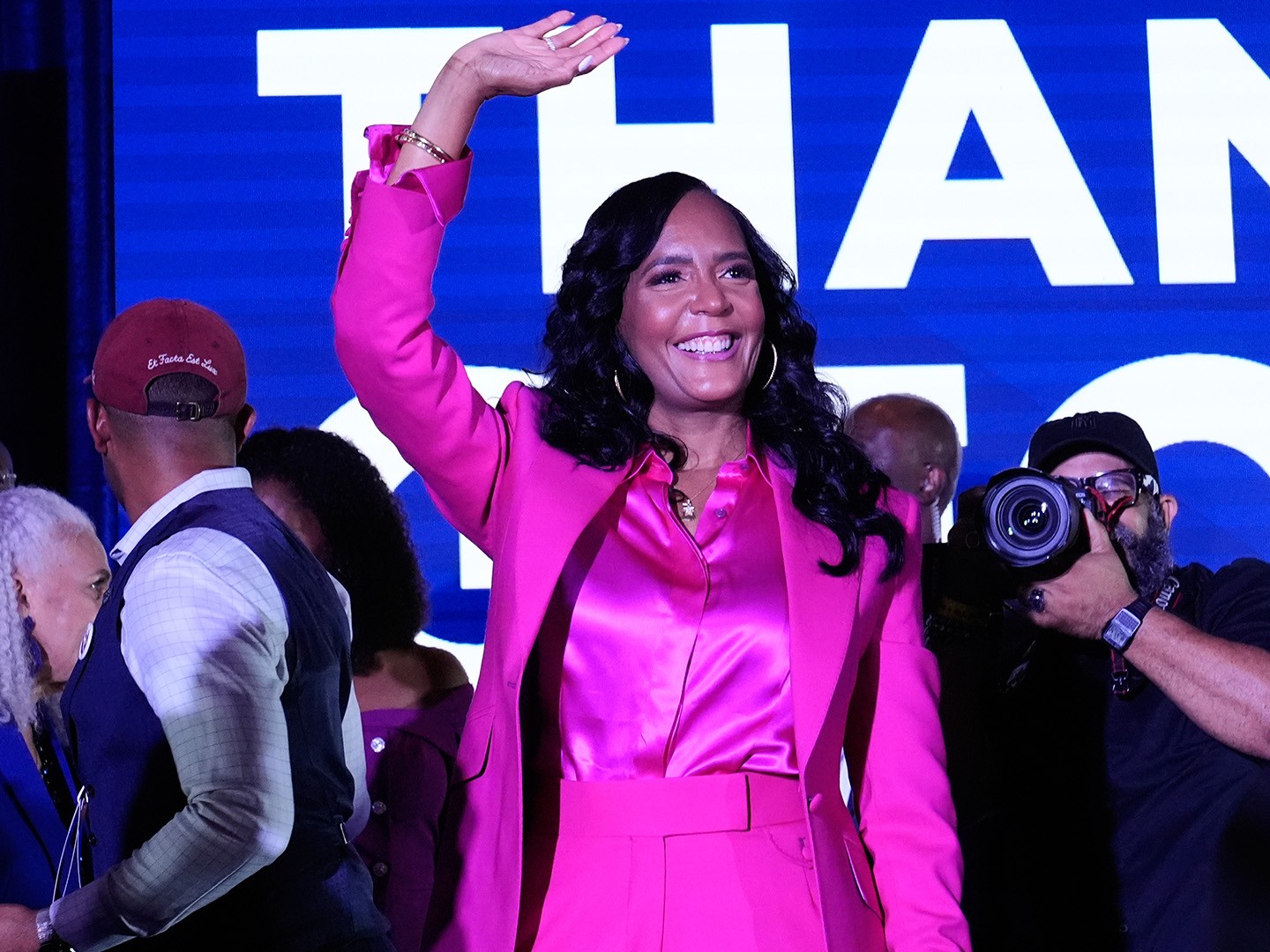
For generations, Black women have helped build America, strengthen its communities, educate its children, lead its movements, and fight for the rights of others. Yet when it comes to the highest levels of elected political leadership, their presence has remained limited. On November 3, 2026, that history changed. Keisha Lance Bottoms, former mayor of Atlanta, defeated Republican businessman Rick Jackson to become Georgia's first woman governor and the first Black woman elected governor of a U.S. state. Her victory is not simply a personal achievement or a political milestone. It represents the culmination of generations of perseverance, a new chapter in Georgia's political history, and a powerful message about the possibilities available to Black women and future generations of Americans.
A Victory That Breaks a Historic Barrier
The significance of Bottoms' election becomes clearer when we consider the history of American political leadership. For centuries, Black Americans were denied the right to vote, hold public office, and participate equally in the democratic process. Black women faced an additional barrier: the intersection of racial and gender discrimination. Even after the passage of the Voting Rights Act of 1965, the road to meaningful representation remained difficult.
Black women have served as mayors, members of Congress, judges, state legislators, and cabinet officials. They have led organizations, mobilized voters, and shaped national conversations about justice and equality. Yet no Black woman had ever been elected governor of a state before Bottoms' victory.
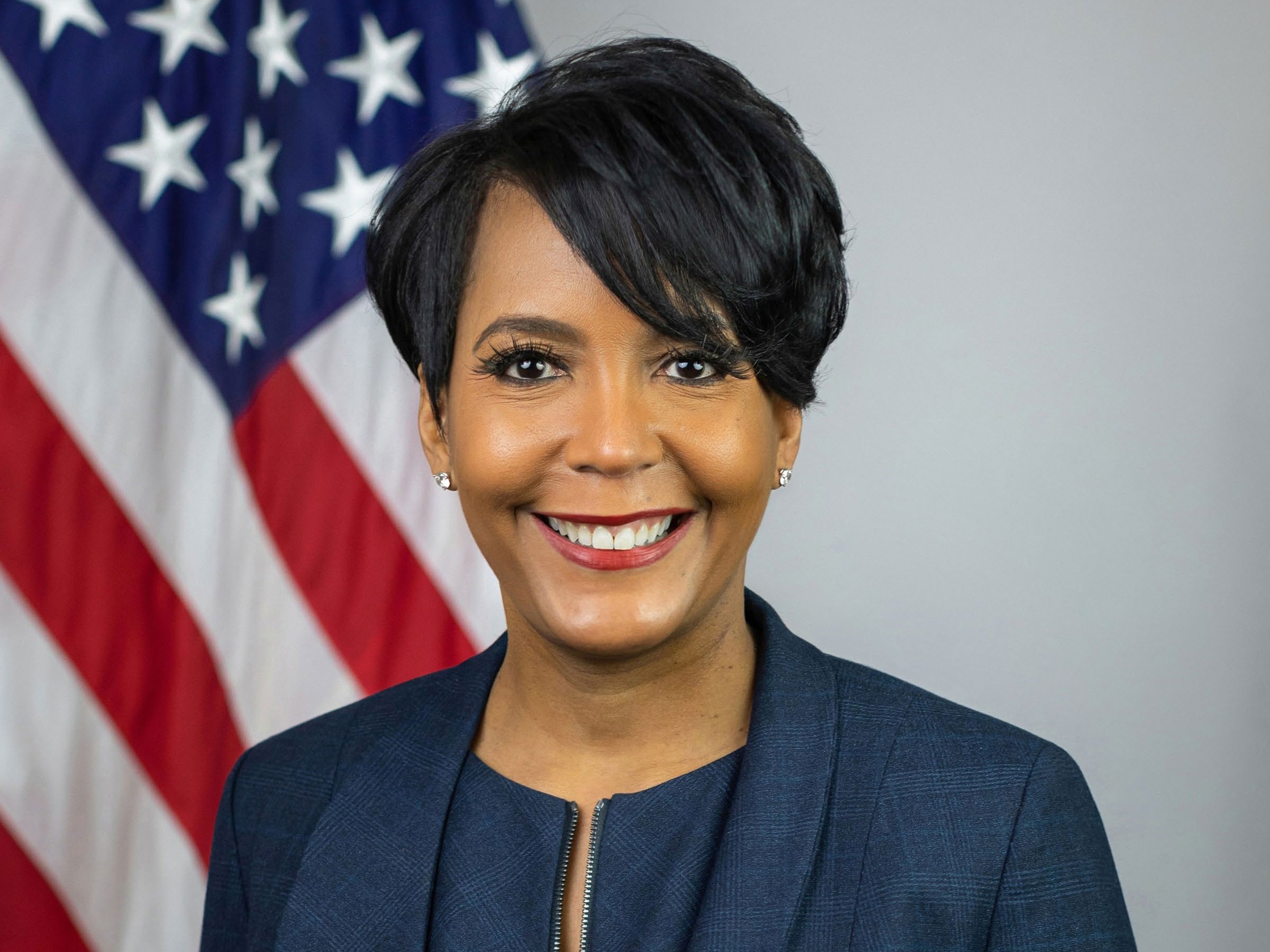
Her election demonstrates that leadership opportunities can expand when voters are willing to look beyond the barriers that have historically defined who belongs in positions of power. It also recognizes the work of countless women who helped make this moment possible through organizing, advocacy, education, and public service.
Bottoms' achievement is especially meaningful because she did not simply become the first Black woman governor. She became the first woman ever elected to lead Georgia, a state whose political history has been deeply connected to the struggle over race, voting rights, and representation.
Georgia: A State With a Complicated Political History
Georgia occupies a central place in America's history. It was one of the original thirteen colonies, a major center of slavery before the Civil War, and a battleground during Reconstruction and the civil rights movement. The state was also home to many of the leaders who challenged racial segregation and fought for voting rights.
Atlanta became a national symbol of Black political leadership, economic opportunity, and community activism. The city elected Maynard Jackson as its first Black mayor in 1973, opening doors for generations of Black public servants. Bottoms would later become Atlanta's 60th mayor and continue that tradition.
Her election as governor carries significance beyond Atlanta. Georgia has been a major political battleground in recent years, with growing metropolitan communities, changing demographics, and highly competitive elections. Bottoms' victory marks a major shift in the state's political landscape. She succeeds Republican Brian Kemp, who served two terms, and becomes the first Democrat elected governor of Georgia since Roy Barnes won in 1998.
The election also highlights the importance of Black voters and other diverse communities in shaping Georgia's political future. Their participation, organizing, and commitment to the democratic process helped make this historic outcome possible. <Cite refs={["turn563563news12","turn563563search6"]}/>
From Atlanta Roots to Public Service
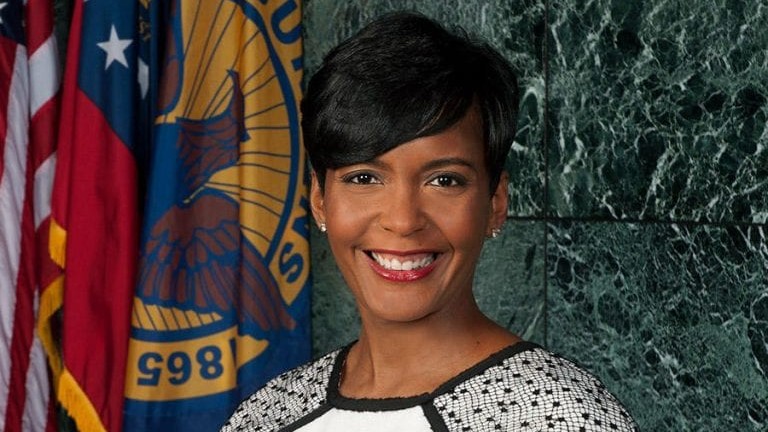
Keisha Lance Bottoms' journey began in Atlanta, Georgia, where she was born and raised. Her family history reaches back at least five generations in the state, including ancestors who were enslaved on a plantation near Crawfordville. That connection gives her rise to the governorship a deeply personal relationship with Georgia's history.
Bottoms is the daughter of Major Lance, the celebrated R&B singer known for his hits during the 1960s, and Sylvia Robinson. Her childhood was not without hardship. Her father's struggles with addiction and legal troubles brought challenges to the family, and her parents eventually divorced. Those experiences helped shape her understanding of the difficulties families can face and the importance of opportunity and support.
She attended Frederick Douglass High School in Atlanta, where she participated in student government. Her early interest in leadership developed into a commitment to education and public service. She attended Florida A&M University, a historically Black university in Tallahassee, earning a degree in broadcast journalism in 1991. She later returned to Georgia and earned her law degree from Georgia State University in 1994.
Her educational path combined communication skills, an understanding of community, and legal training. Those experiences would prove valuable as she moved into the courtroom and eventually into elected office. <Cite refs={["turn563563search2","turn563563search5"]}/>
How Her Political Career Began
Bottoms did not begin her career as a politician. She began as an attorney, representing children in juvenile court and serving as a prosecutor in Atlanta. Her work exposed her to the challenges facing families, young people, and communities navigating the justice system.
She later served as a magistrate judge. In 2008, she made an unsuccessful campaign for a Fulton County Superior Court judgeship. Although she lost that election, the experience introduced her to communities throughout the county and helped her recognize the difference effective representation could make.
When her longtime Atlanta City Council representative retired, Bottoms decided to run for the seat. She won and served District 11, representing southwest Atlanta, from 2010 to 2018. During those years, she developed experience in municipal government and built relationships with residents and community organizations.
Bottoms also served as executive director of the Atlanta and Fulton County Recreation Authority, which oversees major public sports and entertainment facilities. Her combination of legal, legislative, and administrative experience prepared her for a larger leadership role. <Cite refs={["turn563563search2","turn563563search6"]}/>
Leading Atlanta Through a Defining Period
In 2017, Bottoms won a closely contested election to become Atlanta's 60th mayor. She took office on January 2, 2018, becoming only the second woman to lead the city.
As mayor, she emphasized affordable housing, public safety, education, transportation, transparency, and economic opportunity. Her administration announced a historic $1 billion affordable housing investment plan and pursued initiatives intended to improve access to education and strengthen city services.
Her mayoralty was tested by extraordinary circumstances. Atlanta faced a major ransomware attack that disrupted city operations, followed by the COVID-19 pandemic and the economic challenges that came with it. In 2020, the murder of George Floyd sparked nationwide protests, and Bottoms became a prominent voice in conversations about policing, racial justice, and public safety.
She also faced disagreements with Georgia's Republican leadership, including disputes over Atlanta's mask requirements during the pandemic. Through these challenges, she gained national recognition as a mayor navigating the complicated intersection of public health, civil rights, and local government.
Bottoms chose not to seek reelection in 2021. After leaving office in January 2022, she joined President Joe Biden's administration as a senior adviser and led the White House Office of Public Engagement. In that role, she worked with diverse communities, business leaders, labor organizations, and advocacy groups across the country. <Cite refs={["turn563563search7","turn563563search0"]}/>
What Her Victory Means for Black Women
For Black women, Bottoms' election represents both recognition and possibility. It sends a message that Black women can lead at the highest levels of government—not as exceptions to the rule, but as qualified leaders whose experiences and perspectives belong in the decision-making process.
Representation matters because government decisions affect everyday life: housing, education, health care, employment, public safety, and economic opportunity. When leadership includes people from different backgrounds, communities that have historically been overlooked may have greater opportunities to be heard.
But the importance of Bottoms' victory goes beyond symbolism. Her career demonstrates that public leadership can develop through many paths: education, professional service, local government, and community engagement. Her rise may encourage young Black girls to imagine themselves as attorneys, judges, mayors, governors, and presidents.
It also recognizes the generations of Black women who paved the way, from civil rights organizers and voting rights advocates to elected officials who challenged barriers long before this election.
A New Chapter for Georgia and America
Bottoms enters the governorship with significant expectations. Her campaign focused on affordability, health care access, housing, education, and economic opportunity. Georgians will judge her administration not only by the historic nature of her election but by its ability to address the needs of families across the state.
Her victory also reminds the nation that American history is not finished. The democratic process continues to evolve as more people participate and as old barriers are challenged. Georgia, a state central to the struggle for civil rights, now stands at the center of another historic milestone.
Keisha Lance Bottoms' election is a moment to celebrate, but it is also a call to action. The achievement honors those who fought for the right to participate in democracy and challenges future generations to keep expanding opportunity.
For AMPS Magazine, this is the kind of story that deserves to be told: a story of perseverance, leadership, and progress. A Black woman from Atlanta has broken a barrier that stood throughout American history. Her victory reminds us that representation is powerful, that history can change, and that the next generation should never be limited by what previous generations were told was impossible.