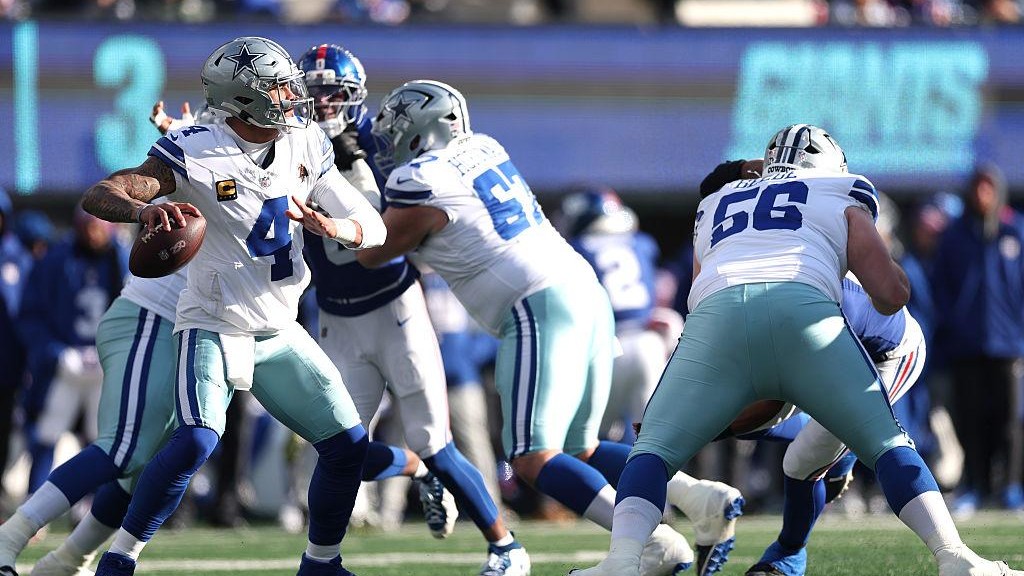
The Dallas Cowboys entered the 2026 season with something they haven't had enough of in recent years: optimism without the offseason drama. Expectations were high after the return of a top-tier offense and a revamped defense that was expected to be better than the unit that struggled a year ago. But instead of opening the season with a statement, Dallas walked out of its own stadium with a 28-20 loss to the New York Giants and plenty of questions. There are still 16 games remaining, but if Week 1 taught the Cowboys anything, it is that expectations and potential don't mean much once the games begin. For AMPS Magazine, this loss should be viewed as a wake-up call, not a reason to panic.
The Cowboys simply did not play the type of football they believed they were capable of playing. Head coach Brian Schottenheimer didn't try to hide his disappointment after the game, calling the loss one of the most disappointing season-opening defeats he could remember. His message, however, was also one of perspective. The season is long, and Dallas knows it will not go undefeated. Still, the Cowboys cannot overlook what happened against New York because the Giants exposed problems on both sides of the football that will need to be addressed quickly.
The biggest concern may have been the defense. After bringing in eight new starters from last season's opening-day lineup, Dallas knew it would take time for the new group to develop chemistry. What the Cowboys probably didn't expect was such a rough opening performance. Christian Parker's first game as the team's defensive playcaller was filled with communication issues and missed opportunities. The most damaging example came just before halftime, when Giants quarterback Jaxson Dart connected with tight end Isaiah Likely for a touchdown that gave New York a 14-7 lead. Dallas had a coverage breakdown in the end zone, with linebacker Dee Winters and cornerback DaRon Bland reacting to an underneath receiver and leaving Likely open.
That mistake was particularly costly because the Cowboys had an opportunity to head into halftime tied or potentially with the lead. Instead, an interception by safety Jevon Holland gave the Giants a short-field opportunity, and New York took advantage. Dak Prescott said he was attempting to throw the ball away after being flushed from the pocket under pressure, but the turnover changed the game. New York scored before halftime, received the ball to begin the second half and scored again. Suddenly, the Cowboys were chasing the game.
The second half was where Dallas' defensive problems became even more obvious. The Giants controlled the line of scrimmage, controlled the clock and consistently kept the Cowboys' defense on the field. New York converted nine of its 11 third-down opportunities, with one of the two failed conversions coming when the Giants were simply kneeling to end the game. That statistic tells the story. Dallas couldn't get off the field, and when a defense can't create stops on third down, everything else becomes more difficult.
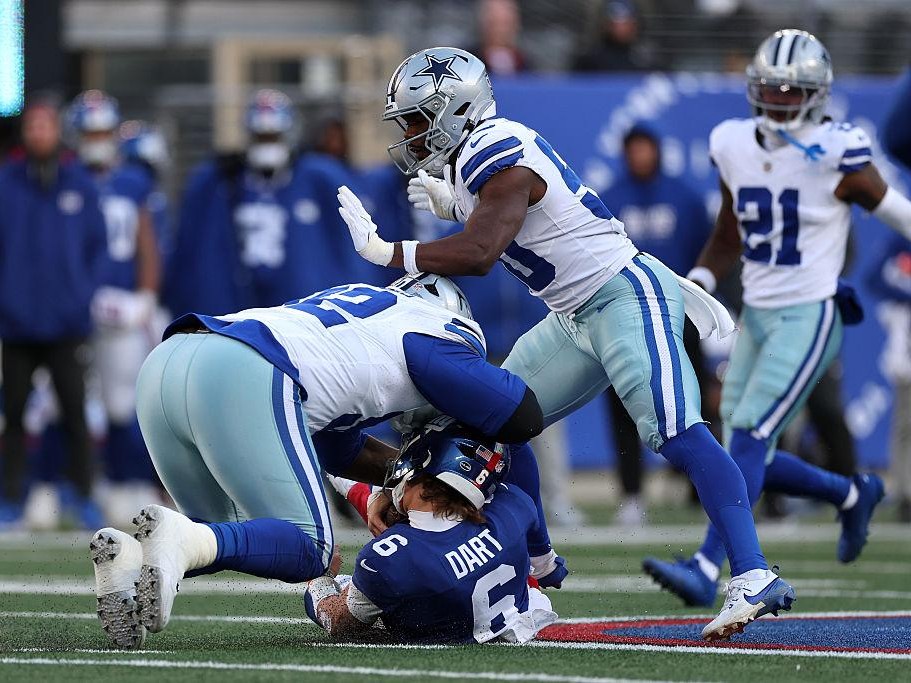
The Giants finished with 165 rushing yards on 37 carries, allowing them to dictate the pace and keep Prescott and the Cowboys' offense watching from the sideline. New York possessed the ball for more than 21 minutes in the second half, while Dallas had only two offensive possessions during the final two quarters. For a Cowboys offense that entered the season with enormous expectations, that lack of opportunity was devastating. The defense wasn't simply giving up points; it was preventing the offense from getting enough chances to respond.
There were also concerns about communication and organization. The second half began with Dallas needing to call a timeout because only 10 defenders were on the field. For a defense with so many new starters, that moment highlighted just how much work remains.