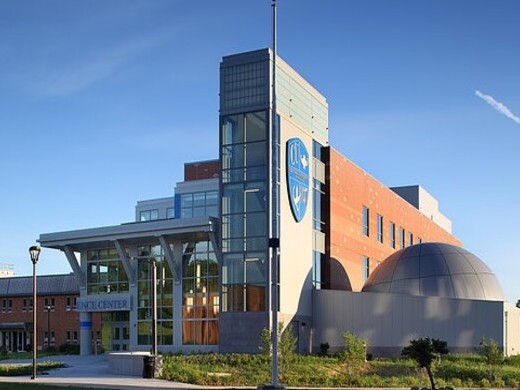
magine an educational institution established in 1837, decades before the Civil War ended and before slavery was abolished throughout the United States. Imagine someone putting a portion of his personal wealth toward educating people of African descent in a country where racial discrimination shaped nearly every aspect of life. That is part of the remarkable story of Cheyney University of Pennsylvania, widely recognized as the oldest historically Black institution of higher education in America. Its history is a reminder that the pursuit of education among African Americans did not begin after emancipation. It existed long before freedom became a national constitutional reality.
Cheyney University of Pennsylvania+1
Cheyney's founding was made possible through the generosity of Richard Humphreys, a Quaker philanthropist who left $10,000 in his will, approximately one-tenth of his estate, to establish a school for people of African descent. His bequest called for an institution that would provide education and prepare students to become teachers. The school opened on February 25, 1837, originally under the name African Institute. It later became known as the Institute for Colored Youth. In its early years, instruction included academic subjects as well as practical training in areas such as agriculture and trades. The institution's development reflected an understanding that education could help African Americans build skills, improve their circumstances and contribute to society despite the restrictions imposed by racism.
Cheyney University of Pennsylvania+1
The timing of Cheyney's founding is especially significant. Slavery remained legal in the United States, and Black Americans faced profound barriers to education, employment and personal advancement. Yet the institution's establishment demonstrated that the need for learning could not be erased by discriminatory laws or social attitudes. Its early mission included preparing teachers who could carry education into other communities. That mission created a ripple effect: an educated teacher could educate children, who could then pass knowledge to another generation. Cheyney's legacy therefore reaches beyond its own graduates to the many lives touched by the broader tradition of Black education.
The school moved to George Cheyney's farm in 1902, and the Cheyney name became associated with the institution in the early twentieth century. Over the decades, its official name changed several times before it became Cheyney University of Pennsylvania in 1983. Today, it remains part of Pennsylvania's State System of Higher Education and continues the tradition of providing higher education to students from varied backgrounds.
Cheyney University of Pennsylvania+1
Why does Cheyney still matter in 2026? Because America continues to need educators, professionals, innovators and community leaders who can help address today's challenges. Students need access to academic preparation, career guidance, mentorship and opportunities to develop the skills demanded by an evolving economy. HBCUs can provide those opportunities while helping students understand the history of the communities and institutions that helped make their educational choices possible.
Cheyney's history also challenges the assumption that educational progress happens automatically. Institutions must be supported, maintained and strengthened if they are to serve future generations. Their historic contributions deserve recognition, but their continuing impact depends on investment in students, faculty, facilities and academic programs.
For AMPS Magazine, Cheyney's founding represents a vision that reached beyond its own time. A commitment to educate people of African descent became an institution that would serve generations of students. The lesson is clear: when education is treated as an investment in human potential, its benefits can extend far beyond the original donor's lifetime. Cheyney's story reminds us that the work of opening educational doors began long before many Americans were willing to recognize the abilities of those standing outside them.